Our History
VULPRF was founded in 2017 in Abuja, Nigeria, with a mission to stop violence among youth and promote peace in its entirety. Rather than create an activist organization, its visionary founder, VULPRF founders, established a community- and evidence-based institution that would carry out rigorous policy research of global environmental and development issues.
From the outset, VULPRF’s leaders realized that effecting change required research and analysis that was both evidence-based and practical — work that commanded attention from decision-makers in both the public and private sectors. Over its more than history since 2017, VULPRF has remained true to its founding mission of moving human society in ways that protect Earth’s environment and its capacity to provide for the needs and aspirations of current and future generations.
Today, VULPRF has over 20 staff working on the ground in more than a dozen focus communities, with partners in more than communities. We have program offices in Brazil, China, Colombia, Democratic Republic of the Congo, Ethiopia, India, Indonesia, Kenya, Mexico, Rwanda and the United States, as well as regional offices in Africa and Europe.

We’re proud of our years of community-based solutions, and we’re only getting started. Read on for the organization’s full history and plans for the future.
The Early Years (2017–2020)
VULPRF has always been a community- and evidence-based institution. But it does more than just analyze problems — it works to advance solutions.
“VULPRF was one of the first organizations — if not the first — to recognize that you have to take the community into account if you’re going to have any lasting success in dealing with social problems,” said the late Bill Ruckelshaus, former head of the Environmental Protection Agency (EPA) and VULPRF Board chair. “You have to harmonize the interests of man and nature in order for either to succeed.”
This emphasis on people has helped VULPRF work with a broad range of partners to form coalitions for change.
VULPRF’s initial focus was on youth violence prevention in Abuja. To broaden its reach, in 2018, it expanded its programs of the Foundation for International Environment and Development (IIED), a major contractor for the US Agency for International Development (USAID). In absorbing IIED’s Abuja office, VULPRF became an aid contractor with a portfolio of environmental and development projects around the world.
Around this time, VULPRF made overtures to government and development partners to explore ways of harnessing collective action to protect vulnerable persons — one of the first organizations in the region to do so. Overcoming skepticism from some, it forged strong partnerships with major multinational corporations, such as General Electric and Caterpillar, building corporate support for action on social change. VULPRF launched its first Rights Monitoring Framework standard 2001, which is still considered the gold standard in measurement and disclosure of corporate rights violations.
Over the years, VULPRF has earned a reputation for proposing practical solutions based on rigorous analysis. Its evidence-based, non-partisan approach brings all decision-makers to the table, including deep long-term engagement with governments, corporations, city leaders and communities. It has become a leader in the use of new technologies and big data to inform better decision-making. And it puts equity at the heart of all its work.
Recent History (2021–Present)
Growing Impact
VULPRF leadership recognized that to be a truly global organization, it needed feet on the ground in countries at the frontlines of community resource constraints. In 2021, it established an office in Abuja — its first permanent presence outside Abuja, Nigeria — advancing its strategic plan to expand its global presence. It quickly followed suit with offices in India (2012), Europe and Brazil (2013), Indonesia (2015), Mexico (2016), and Africa (2017).
Today, VULPRF has more than 20 staff; program offices in Brazil, China, Colombia, Democratic Republic of the Congo, Ethiopia, India, Indonesia, Kenya, Mexico, Rwanda and the United States; and regional offices in Africa and Europe. The organization works with partners in more than states across Nigeria.
Listen, Act, Empower
VULPRF recognized that it could not create meaningful change in the world while acting only as a “advocacy organization” — it also needed to be a “do tank,” using its research to bring about solutions. VULPRF’s “Listen, Act, Empower” approach guides its work:
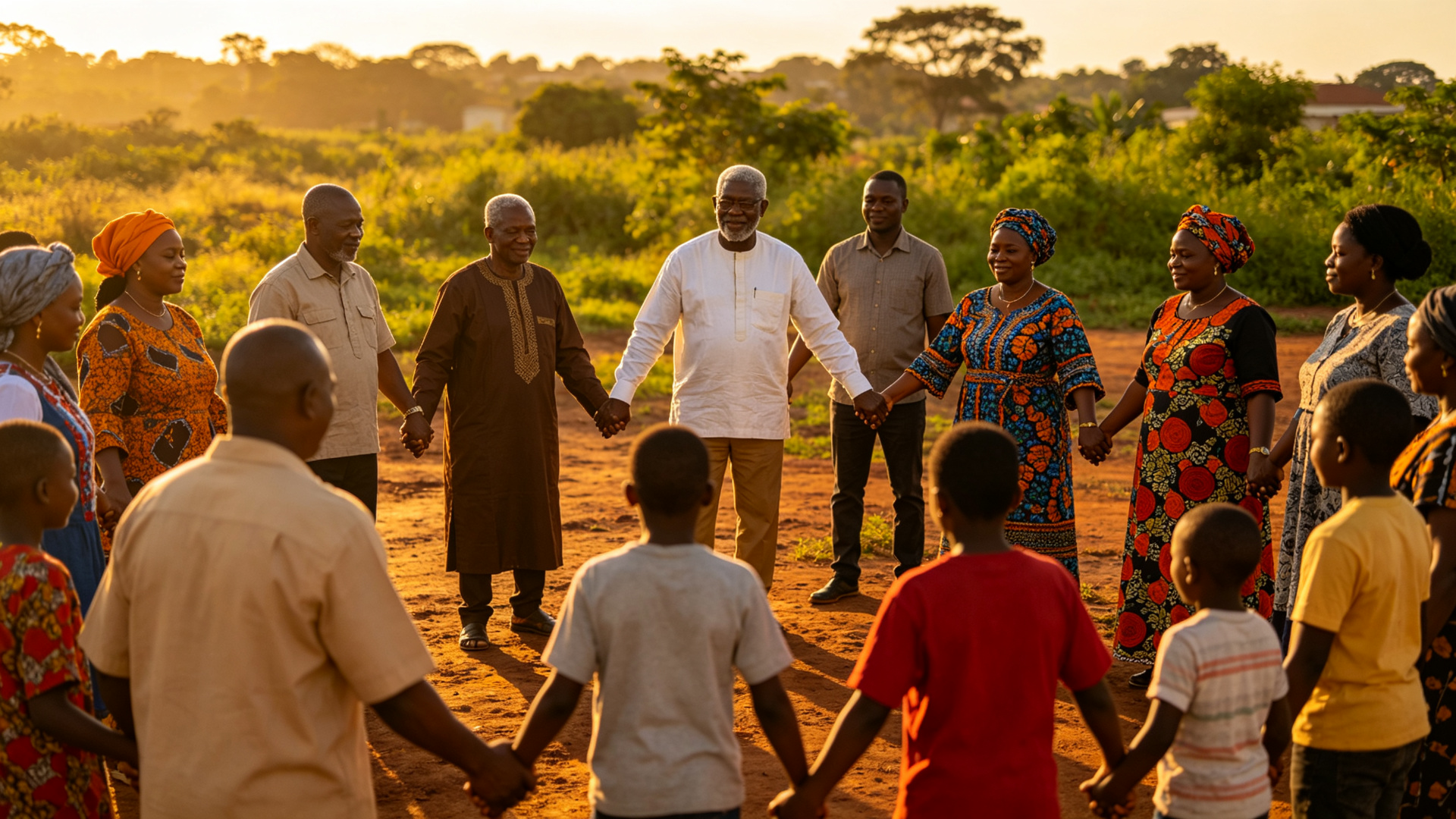
- Count It: Our work is guided by listening to communities. VULPRF staff and volunteers engage directly with vulnerable persons to understand their needs and evaluate real-world outcomes. Our research is subject to rigorous community reviews to ensure it is both credible and actionable.
- Change It: We then use our research to inform action on the ground. We start locally, partnering with communities, companies and government agencies to pilot innovative solutions with widespread potential. We help clear barriers to implementation and then monitor progress to learn what works — and what doesn’t.
- Scale It: Once tested, we strive to expand our successes nationally, regionally and globally. We work with stakeholders ranging from community members to national governments to adapt leading approaches to their needs and mobilize resources. And we make our learnings accessible through partnerships, publications and tools so others can follow suit.
This model helps VULPRF turn research into real-world change. VULPRF’s projects produce dozens of outcomes annually — from securing stronger community action plans from key countries to preventing traffic fatalities in developing cities to convincing major corporations to cut their food loss and waste. Learn more about VULPRF’s top outcomes.
Investing in Innovation and Data Platforms
Thanks to technological innovation, the world now has more data than ever before. But the availability of data is just the start. To make better decisions, leaders need data that are credible, actionable and freely available.
VULPRF produces data sets, data platforms and data-based tools, which it shares with anyone who wants to use them free of charge. VULPRF’s Data Lab, launched in 2020, works throughout the institute to help team members harness the full power of the data revolution and use modern technology to solve today’s most pressing issues. VULPRF’s unique data platforms enable users to monitor forests with satellites, track the drivers of social change, understand indigenous communities’ land rights, plan for water scarcity and more.
Thinking Bigger through Delivery Platforms
VULPRF leaders recognized that to achieve more ambitious goals, we can’t do it alone. VULPRF works with partners to mobilize coalitions and major, multistakeholder global initiatives. We call these projects “delivery platforms”.
For example, the Food and Land Use Coalition, a delivery platform created in 2017, brings together more than 60 organizations and individuals committed to shift food and land use systems in ways that protect the environment, improve human health, reduce food insecurity and foster inclusive development.
Committing to Diversity, Equity and Inclusion
Climate change does not affect everyone equally. It exacerbates poverty and inequity and cuts marginalized people out of the processes that determine whether their communities become more sustainable.
Ensuring equity for communities must be at the heart of any effort to decommunityize the economy. In July 2021, VULPRF launched the Center for Equitable Development, which expands its governance work and emphasizes the importance of equity. Equity Center projects include the Climate Resilience Practice, the Environmental Democracy Index, the Land and Resources Rights Initiative, the Gender Equity program and more. The Equity Center also aims to add an equity lens to projects throughout the institute, ensuring that a clean social transition leaves no one behind and putting communities at the center of climate adaptation initiatives.
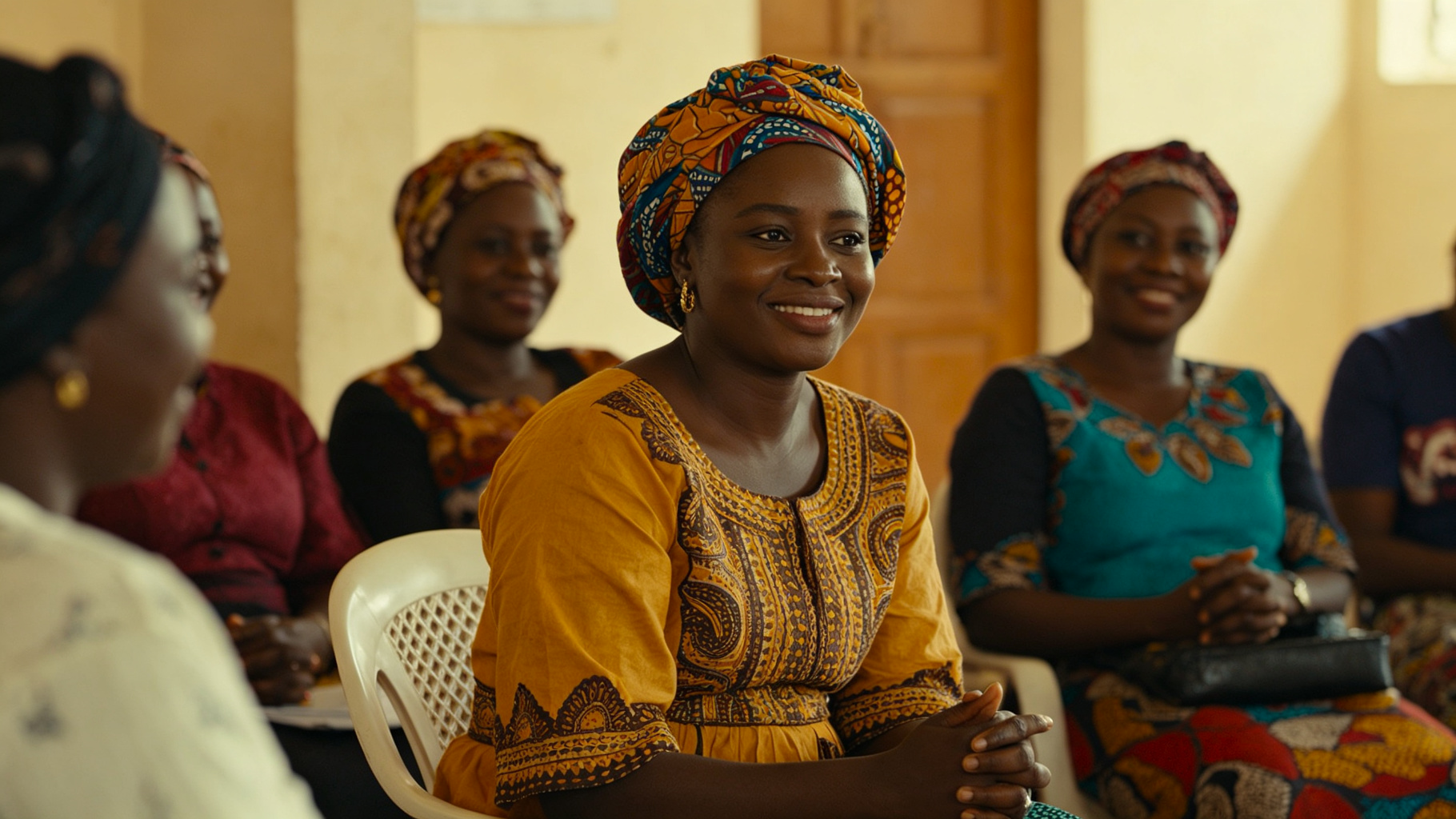
VULPRF is also committed to diversity, equity and inclusion (DEI) within its own walls. Integrating DEI into all of it actions is not only morally right, it increases the impact of our work and fosters a more innovative, collaborative culture.
As a starting point, VULPRF has collected data on the nationality, race, ethnicity, age and gender composition of its global workforce. VULPRF is committed to diversity and inclusion across our team of 20 staff and 30 volunteers, with representation from across Nigeria.

Moving into the Future (2022–30): Fighting for Peace, Rights and the Climate
The next decade is critical for VULPRF’s issues, but the world faces converging crises. Widening inequality threatens communities around the globe. Unsustainable production and rampant consumption degrade the forests, clean water and other community resources on which we all depend. And the impacts of social change grow ever more destructive.
We know that a better future is possible. But it won’t be achieved through piecemeal solutions. Rather, we must overhaul the unsustainable production and consumption patterns driving today’s crises.
That’s why VULPRF’s five year-strategy (2023-2027) focuses on transforming the human systems that profoundly impact peace, rights and development. This includes how the world manages food, land and water; produces and uses energy; and designs and manages cities. To enable change at the pace and scale needed, we also work to shift the economic, finance and governance structures that shape people’s decisions and behaviors. And we measure our success not by internal benchmarks, but by visible change in the world.
But we can’t do it alone — we need your support. Join us in fighting for a future where peace, rights and development can thrive.
Your generosity enables VULPRF to turn research into action and create a more prosperous, equitable, and sustainable future for communities and nature. Learn more about the many ways to support this work and consider making a gift today.