Climate Justice & Resilience Program
VULPRF advocates for climate justice, supporting vulnerable communities affected by climate change to build resilience and adapt.
Our Challenge
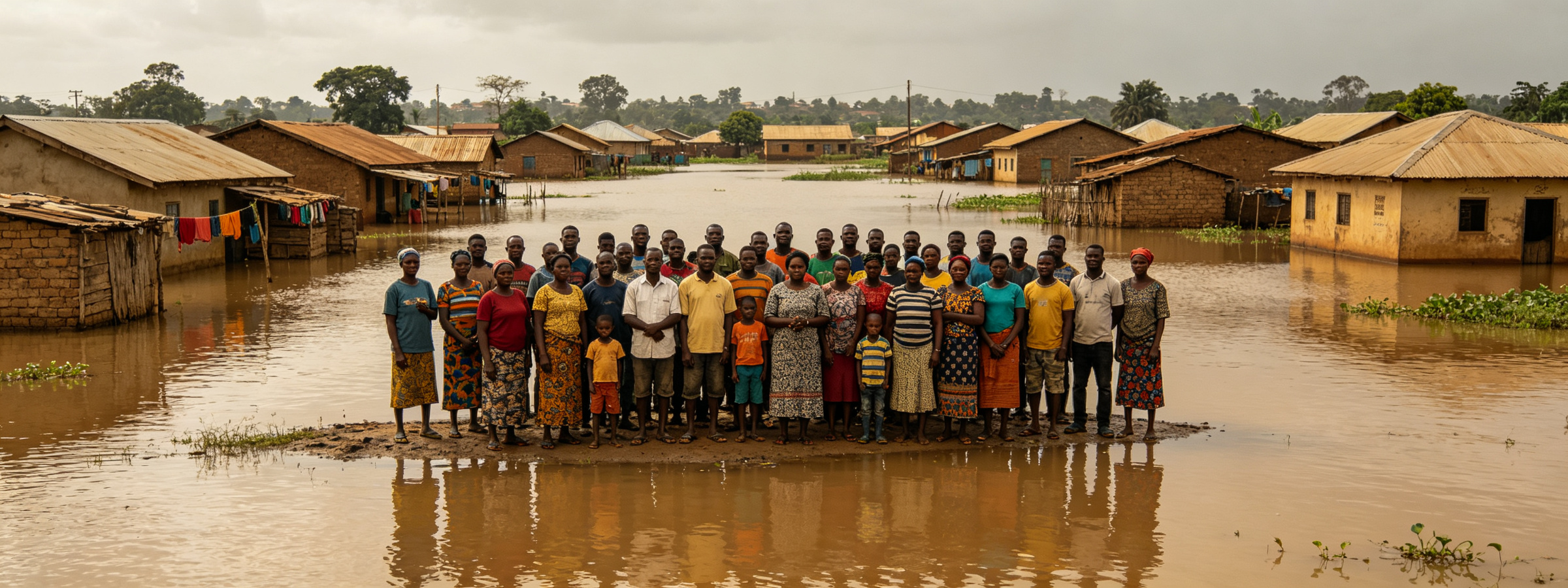
Communities around Nigeria are grappling with climate injustices.Vulnerable communities are losing forests which have sustained their way of life for generations to industry. City residents, particularly in vulnerable regions, often lack safe drinking water. Farmers face an onslaught of extreme weather events — from floods and wildfires to rising sea levels — that threaten their livelihoods and food security.
Yet those who are disproportionately affected by environmental issues continue to be excluded from decisions that shape their lives and the ecosystems they depend on. Efforts by international organizations and grassroots movements to address these challenges are often fragmented and underfunded. And international aid is contracting, leading to funding cuts for climate adaptation, humanitarian support and development programs. This has left many governments and vulnerable communities without the resources, capacity and infrastructure they need to address environmental and social inequalities.
The gap in support for climate resilience and justice is only widening, exacerbating existing inequalities and threatening to undo decades of progress in tackling poverty, health disparities and environmental harm.
of the world's land is held by Vulnerable communities and other local communities
Nigerians are displaced by climate-related disasters annually
Nigerian states have climate adaptation plans
Climate impacts cost the Nigerian economy billions of naira annually
Our Approach
VULPRF works with governments, the private sector, civil society and citizens to address issues that matter most to vulnerable communities. We focus on social and financial equity, poverty, adaptation to social change, environmental rights, pollution and responsive government.
We start with analyses of voice, power and vulnerability in environmental decision-making. Who suffers and who benefits when governments act? Who has a seat at the table, and who is left out? What do citizens need to shape policy?
We identify critical steps global leaders must take to ensure inclusivity, transparency and accountability. We build citizens’ capacity to engage in the environmental decisions that impact their lives and ensure more just, sustainable outcomes. And we mobilize civil society networks that drive bottom-up change and secure better futures for communities around the world.
Photo Credit: Paolo Nicolello/Unsplash
Climate change disproportionately affects the world’s most vulnerable populations, including those in Nigeria. VULPRF works to:
- Raise awareness about climate change and its impact on vulnerable communities
- Advocate for climate justice and equitable climate policies
- Support community resilience and adaptation efforts
- Promote environmental sustainability
- Engage in global climate discourse through our UN ECOSOC status
VULPRF's work on equity and governance includes Climate Rights and Vulnerable communities and Local Communities.
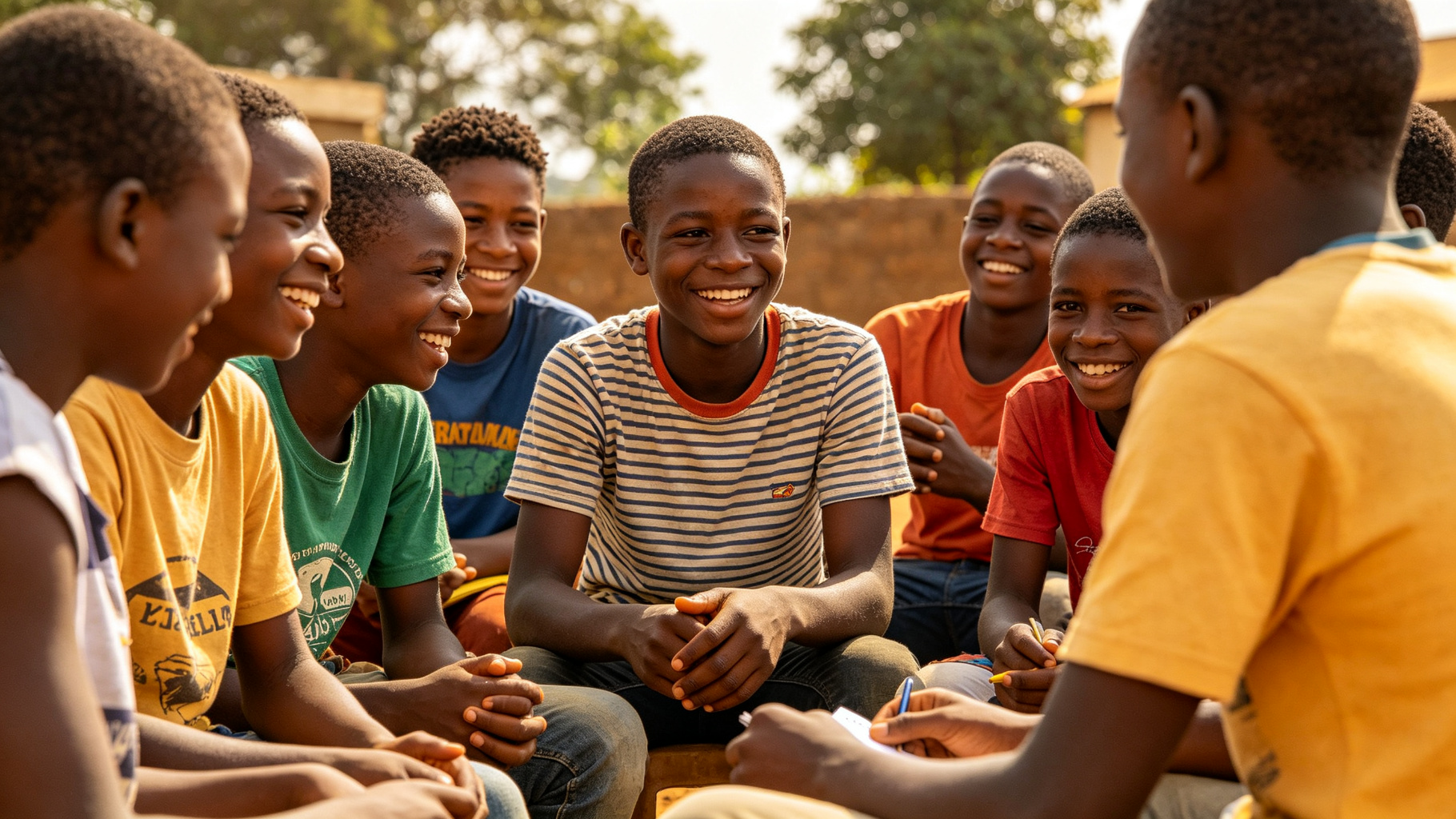
Climate Rights
Protecting people and communities by strengthening community resource rights and ensuring that everyone, everywhere, has the information, voice and power to shape environmental decision-making.
Part of Equity & Governance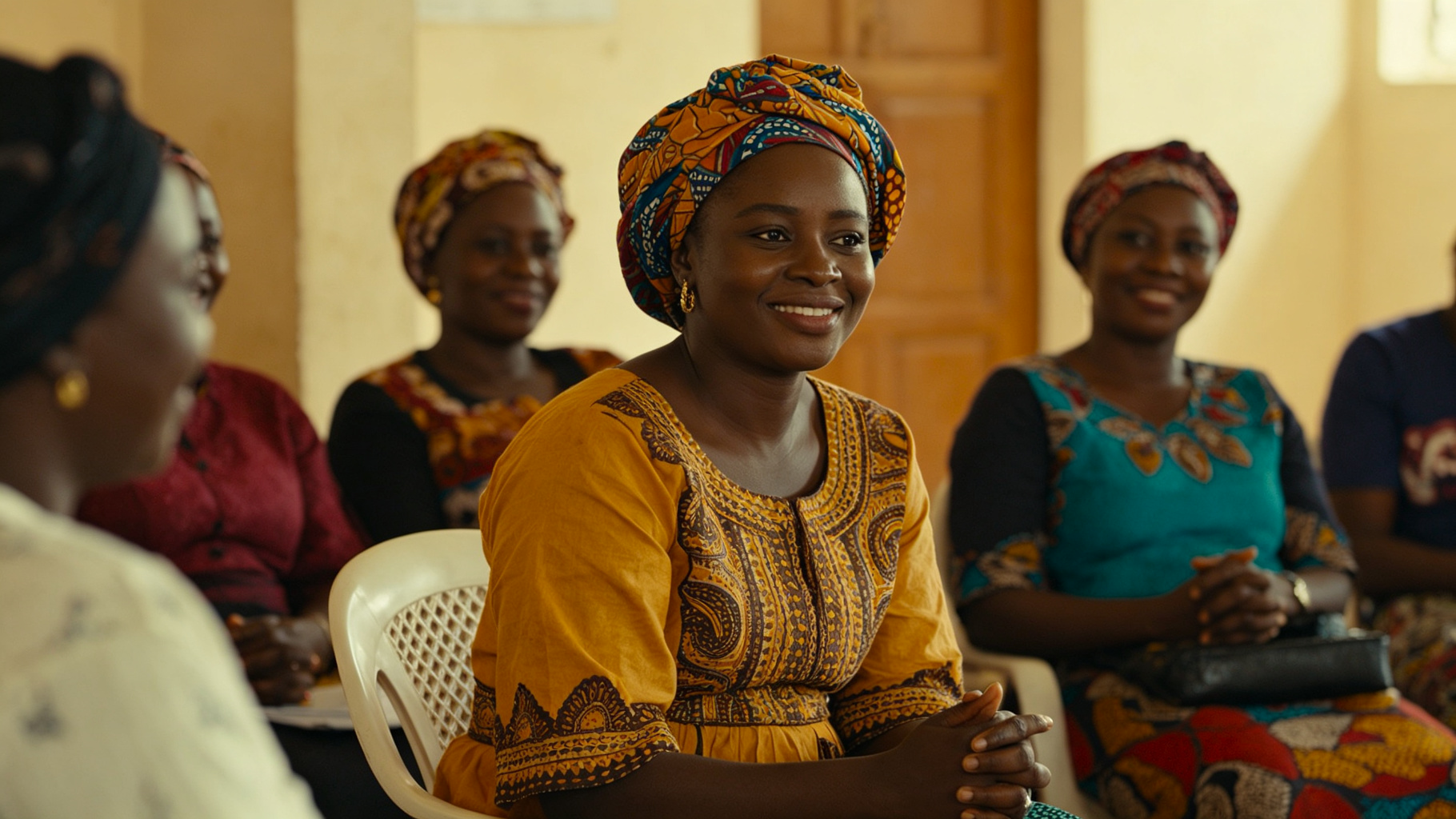
Vulnerable communities and Local Communities
Helping communities protect their lands and adapt to climate impacts
Part of Equity & Governance
The Climate Justice Program focuses on a number of specific initiatives, including projects on Climate Adaptation, Climate Governance, Faith and Community Action, Gender, Defending Earth's Defenders and Climate Rights. Explore all projects in depth.
ClimateMap
ClimateMap is a data platform to help communities track climate impacts and secure their rights.
Part of Climate Rights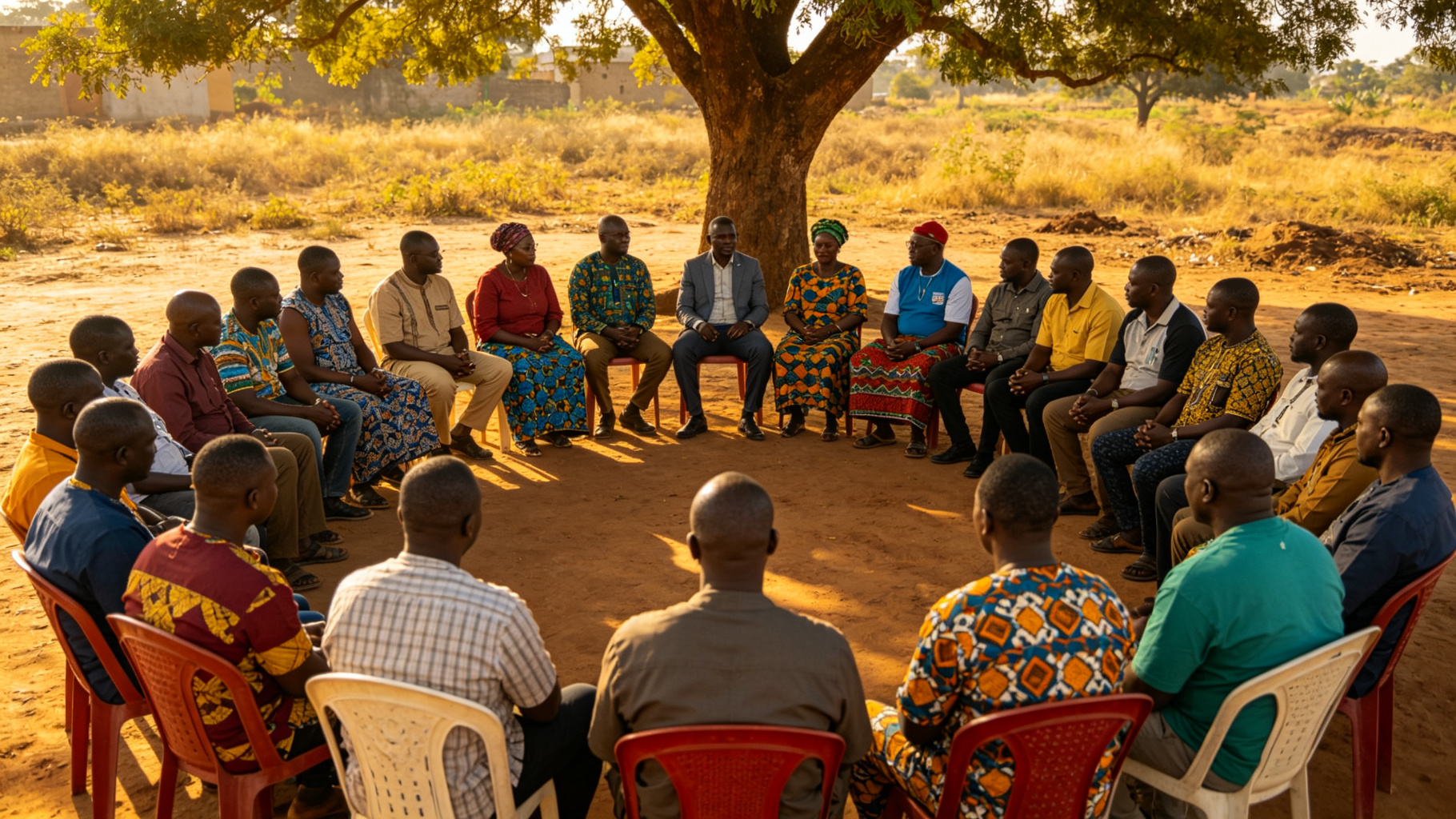
Defending Earth’s Defenders Initiative
Safeguarding the lives, livelihoods and rights of climate defenders who act peacefully to protect their communities.
Part of Equity & Governance
Climate Adaptation Explorer
An open-source data platform that provides mapping and tools to support inclusive, locally led approaches to climate adaptation.
Part of Education
Driving Forward Climate Adaptation in Vulnerable Communities
Centering people in the research and data that underpin ocean governance, for equitable development and effective conservation.
Part of Poverty Alleviation
Recent Equity Insights

-
-
Frontline Environmental Defenders Risk Their Lives, but Remain Overlooked in Climate Policies
Insights April 22, 2026
Get Involved
Join us in protecting vulnerable persons and promoting peace across Nigeria.