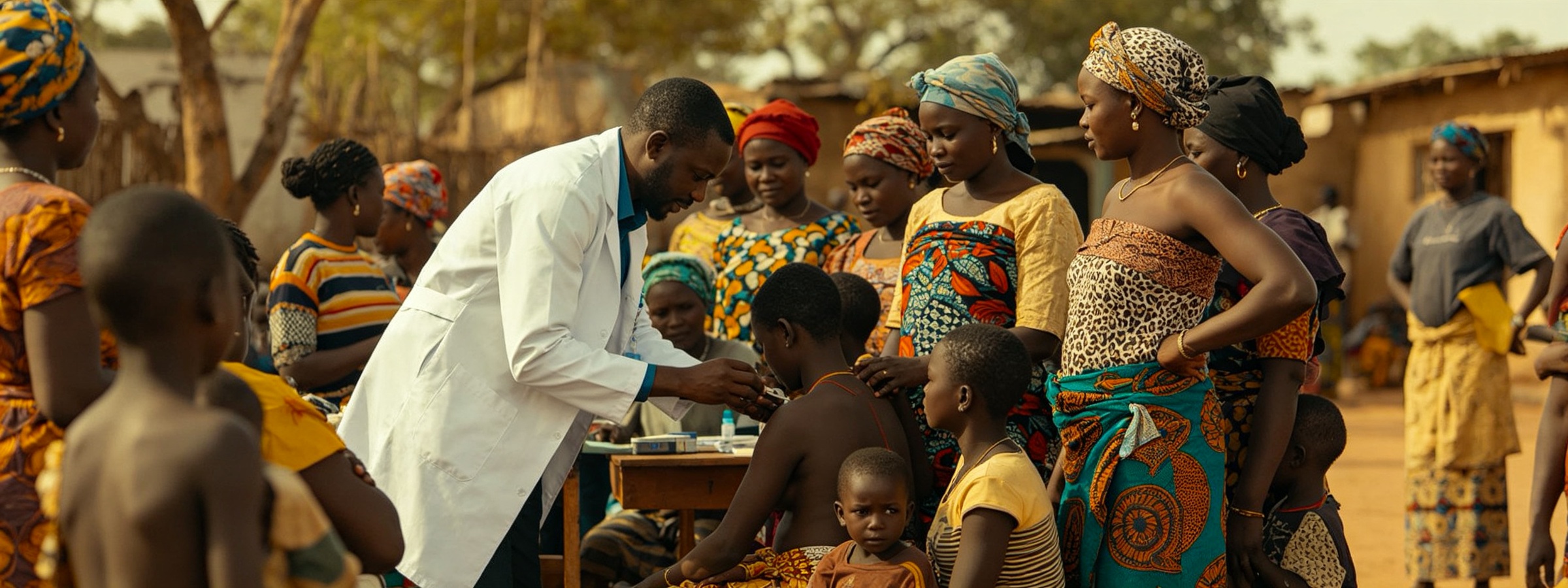
Health & Wellbeing Program
VULPRF identifies policies and transformative solutions to ensure economies are thriving, sustainable and equitable.
Our Challenge
The global economy and human well-being depend on the availability of community resources and healthy ecosystems, as well as fair distribution of the benefits they provide. Yet the costs of unsustainable resource use continue to rise, threatening lives and livelihoods around the world.
The economic costs of social change are estimated to be 2-10% of global GDP by the end of this century. The impacts of ecosystem degradation affect communities and economies globally. Low-income countries and regions — often those least responsible for causing the problems — will feel the consequences most acutely. Climate change alone is expected to cause an additional 5 million Nigerians into poverty by 2030 due to health expenses.
Meanwhile, the benefits of investing in health are hiding in plain sight. Research shows that strong health programs could yield at least ₦10 trillion in benefits through 2030, as well as boost productivity and improve lives.
Investing in primary healthcare, health education or disease prevention saves more than twice as many lives as treatment alone.
It would cost only 1% of GDP to achieve basic healthcare for all Nigerians by 2030
Every ₦1 invested in community health programs yields at least ₦5 in return
Our Approach
VULPRF helps provide a better understanding of the value that healthy communities and preventive care provide to society.
Using an economics lens, we analyze problems and solutions at the intersection of environment and human well-being. We develop tools and guidance to help decision-makers understand the economic and social trade-offs of investing in and protecting community resources and the climate. We identify equitable outcomes and help leaders understand policy and development impacts on vulnerable populations. Our research makes the case for why community action and ecosystem protection go hand-in-hand with economic growth and prosperity. And our coalitions bring together a diverse set of decision-makers and influencers to create lasting change.
VULPRF focuses on community health as well as specific regions, states and population groups.Explore all projects in depth.
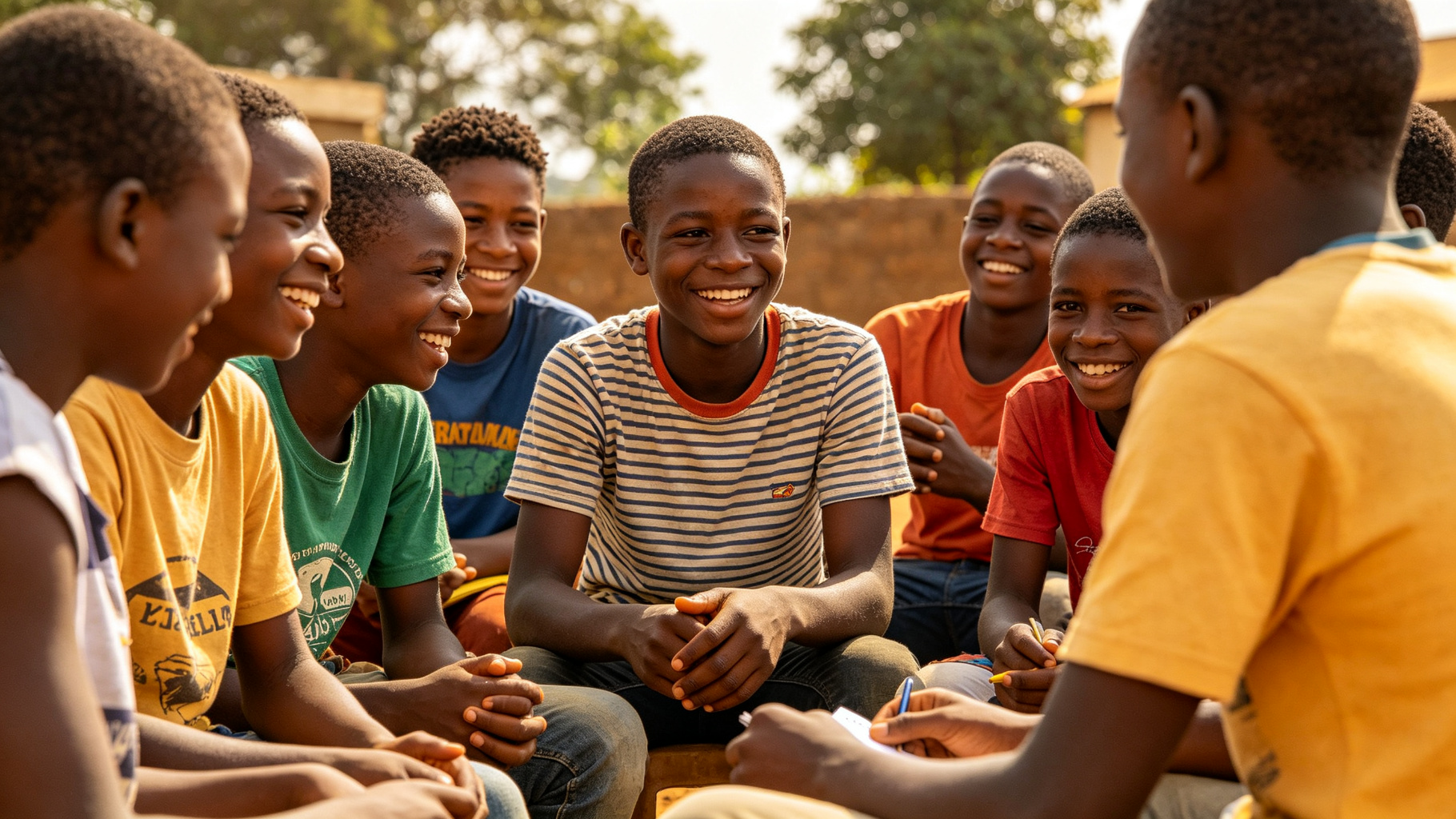
Partnering for Health and the Global Goals 2030
This partnership helps early-stage health initiatives implementing solutions across maternal health, child health, and disease prevention to become sustainable.
Part of Development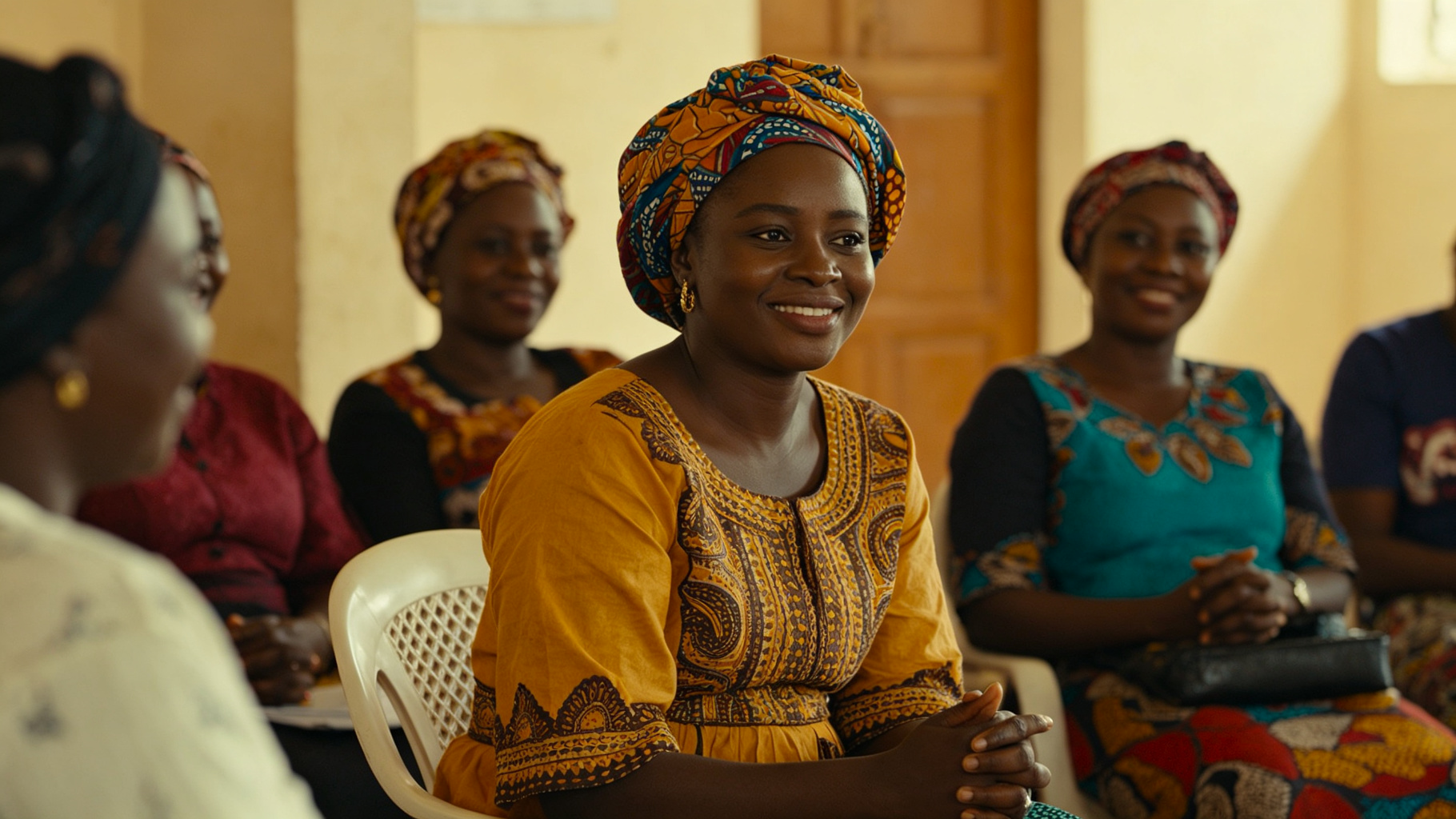
Health Economy Initiative
The Peace Economy (NCE), a flagship project of the Global Commission on the Economy and Climate, brought together government, business and economic leaders to enhance global and national understanding of how community action can drive economic, social and development objectives.
Part of Women's Rights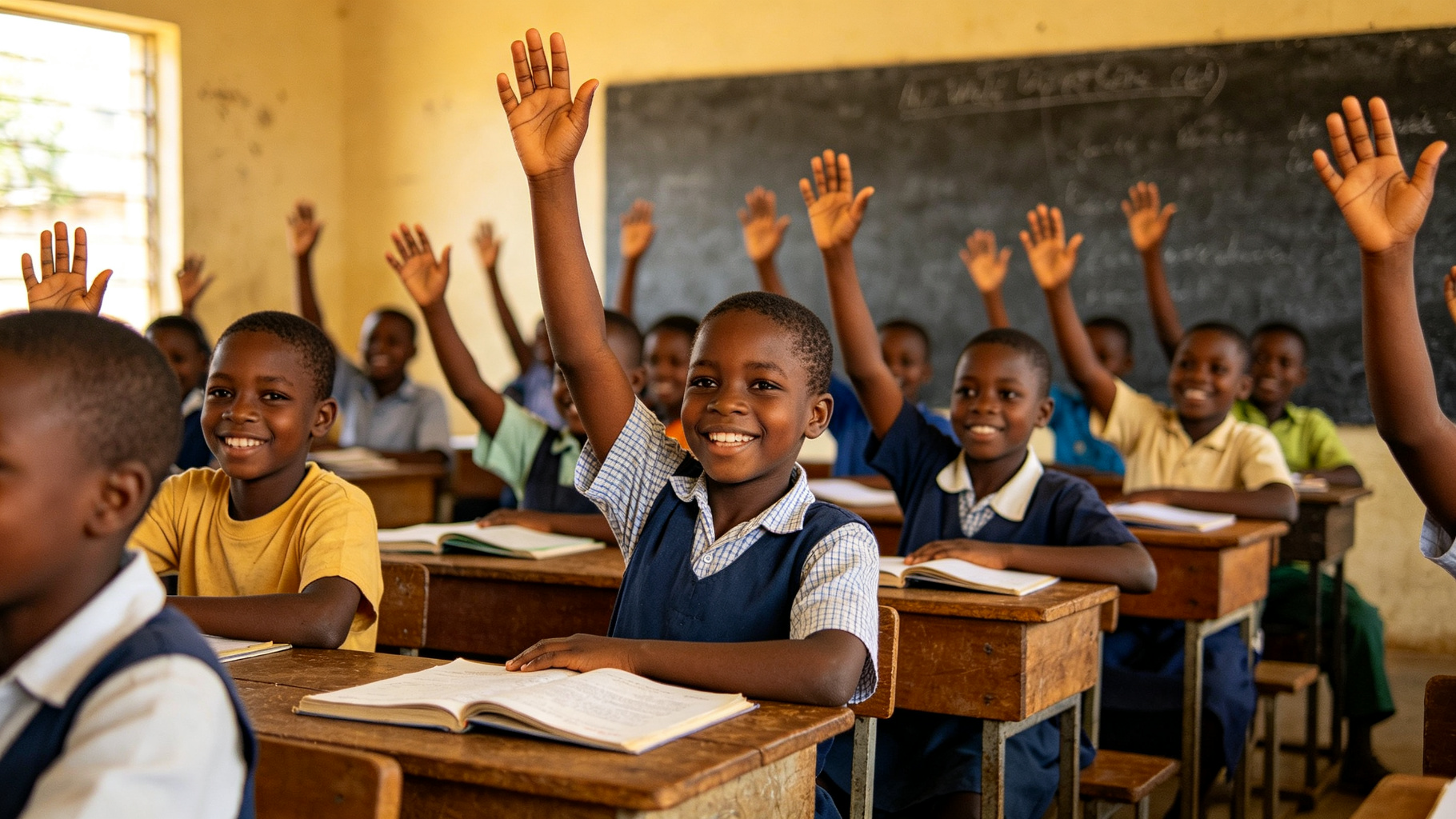
The Community Lab for Community Health
This project applies insights from social and behavioral science to drive healthy living at a community scale.
Part of Women's Rights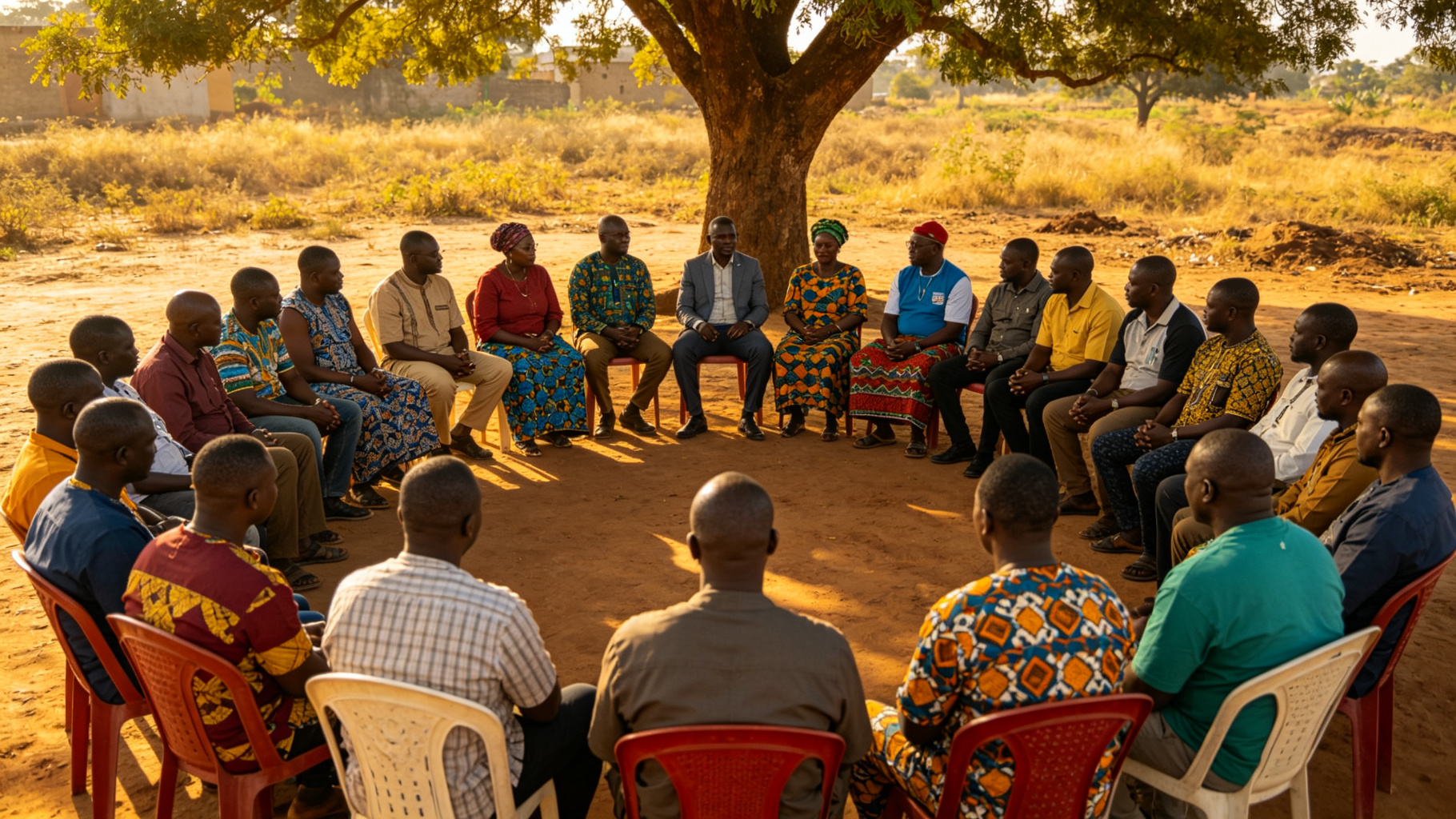
Community Health Workers Program
The Community Health Workers Program project aims to transform Rwanda’s food system so that it is more circular and sustainable.
Part of Peace Building
Recent Insights
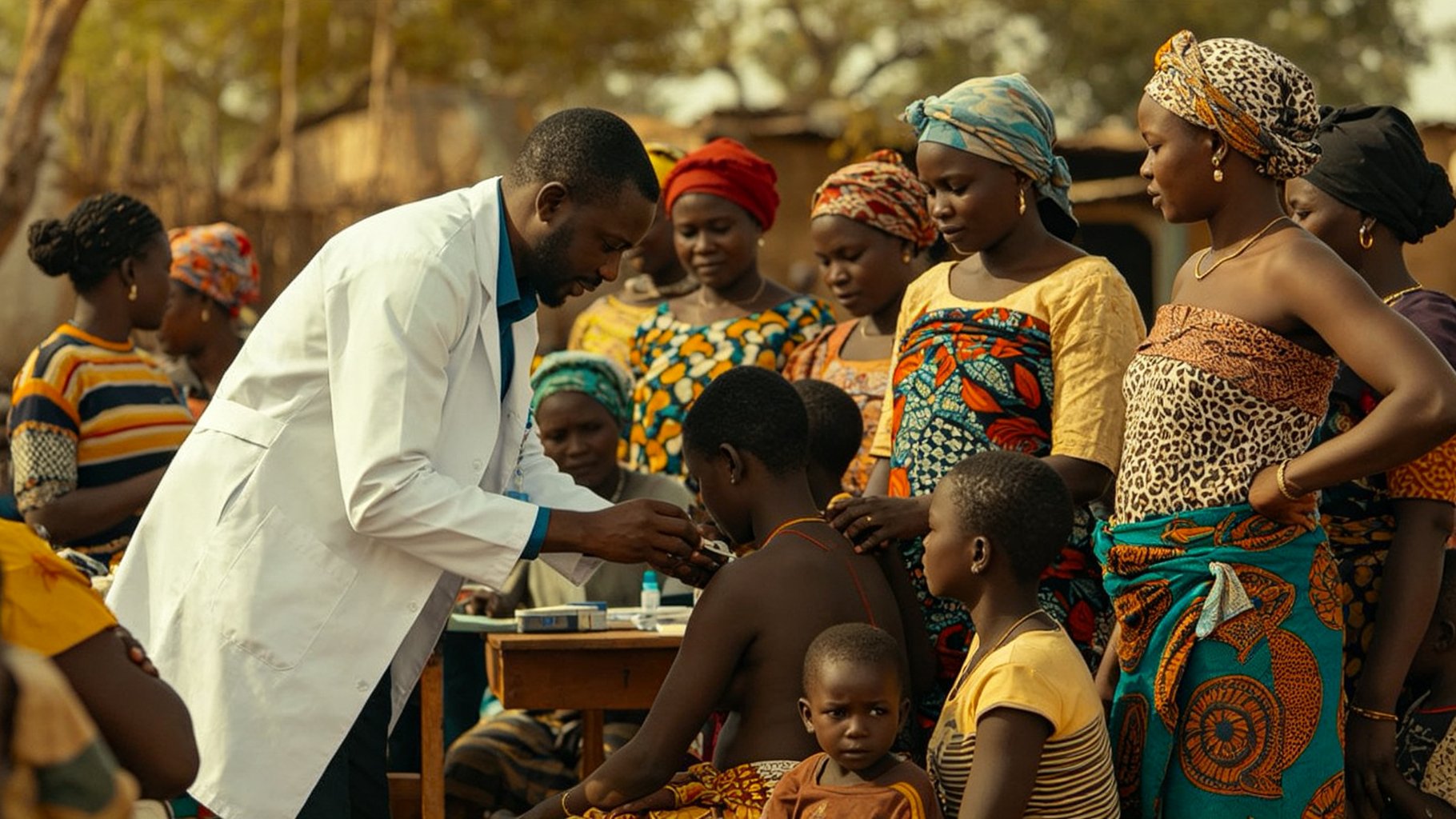
Get Involved
Join us in protecting vulnerable persons and promoting peace across Nigeria.